
Blogs
Recent Posts
Masonry Contractors on Long Island: A Homeowner’s Guide to Better Outdoor Projects
Doug Connell • June 11, 2026
Hiring masonry contractors on Long Island starts with knowing what they build, how they prepare your property, and what separates a qualified contractor from someone who only handles basic repairs. Nassau and Suffolk County properties need masonry work that can handle coastal moisture, shifting soil, heavy rain, and freeze-thaw cycles. This guide explains what to look for, which materials make sense, what projects may cost, and how to choose the right masonry contractor in Long Island for your home.
What Does a Masonry Contractor Do?
A masonry contractor builds outdoor features using stone, brick, concrete, block, pavers, veneer, and similar materials. On Long Island, this work often includes patios, walkways, retaining walls, steps, driveways, outdoor kitchens, and decorative stone features. Before you hire a contractor, it helps to know which services usually fall under masonry work.
Common masonry services include:
- Paver patio installation
- Retaining wall construction
- Walkway and front entry installation
- Outdoor kitchen stonework
- Stone veneer installation
- Concrete flatwork
- Steps, stoops, and landings
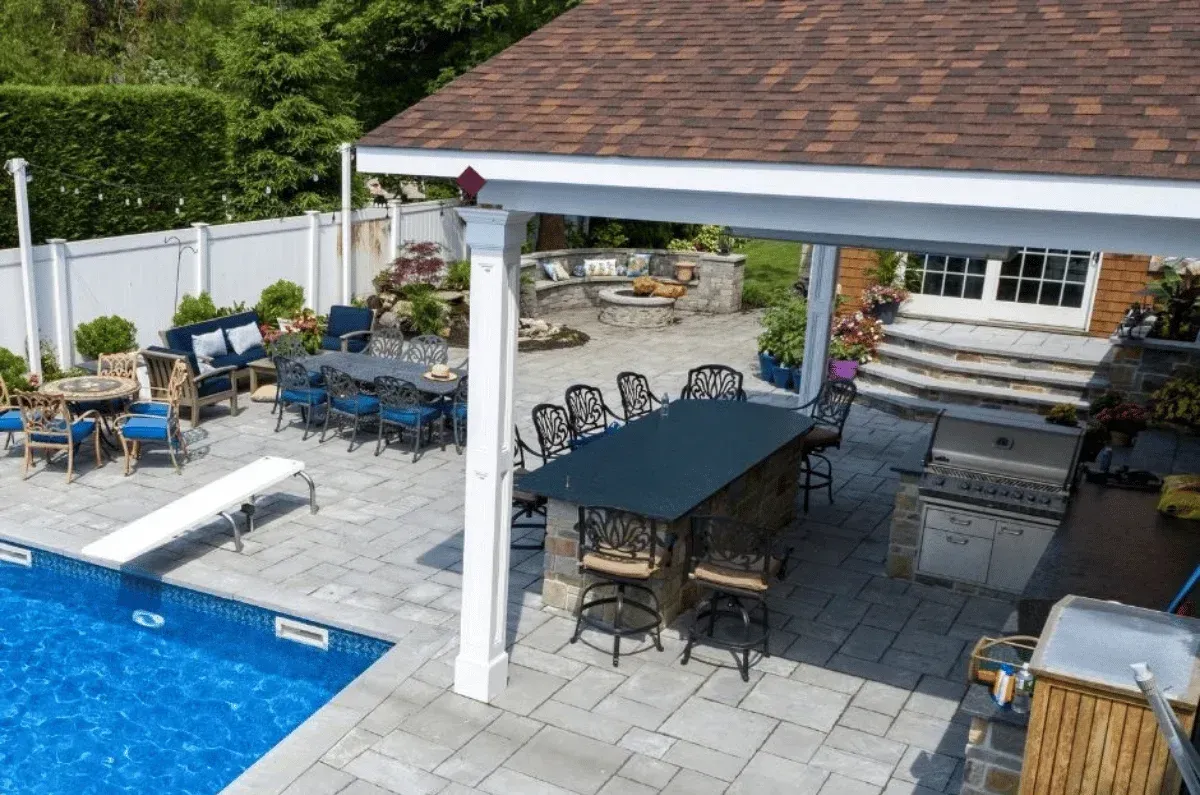
- Pool patio and poolscape masonry
- Driveway pavers and borders
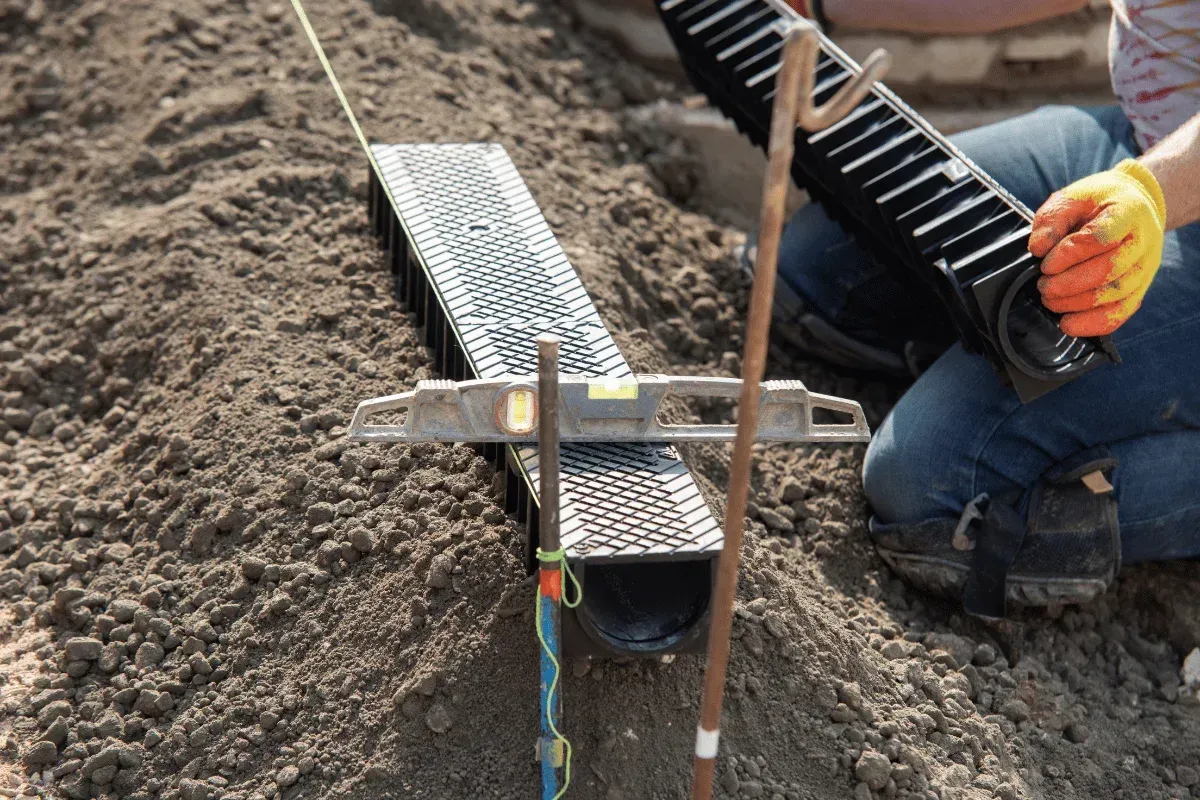
- Drainage-focused hardscape preparation
Masonry vs. Hardscaping: What Is the Difference?
Masonry and hardscaping work together, but masonry focuses more on built features made from stone, brick, block, concrete, or pavers. Hardscaping covers the larger outdoor layout, including patios, walls, walkways, drainage, steps, and surrounding features. That is why hiring a team with hardscaping masonry in Long Island NY experience helps create a space that looks complete and lasts longer.
Why Long Island Masonry Work Needs Local Experience
Long Island properties come with conditions that can affect how masonry performs over time. Coastal moisture, sandy soil, clay-heavy areas, older neighborhoods, tree roots, sloped yards, and winter freeze-thaw cycles can all impact patios, walls, walkways, and outdoor features. A masonry contractor in Long Island should understand how these local conditions affect both design and installation.
This matters because most masonry problems start below the surface. A patio that settles, a walkway that lifts, or a retaining wall that leans often points back to weak preparation. The visible stone or paver may look good at first, but the base is what helps the project last.
Local experience is especially important for:
- Drainage planning
- Excavation depth
- Base material selection
- Soil compaction
- Coastal moisture exposure
- Freeze-thaw movement
- Proper pitch away from the home
- Permit and code awareness
How to Hire a Masonry Contractor in Nassau County or Suffolk County
Hiring a masonry contractor in Nassau County or a masonry contractor in Suffolk County should involve more than comparing prices. You want someone who can explain the plan, show past work, carry proper insurance, and provide a clear written proposal. A good contractor should make the process feel organized before any work begins.
Use these points when comparing contractors:
- Check licensing and insurance: Ask if the contractor has the proper local licensing for the area where the work will be performed. They should also carry liability insurance and workers’ compensation coverage.
- Look for local project experience: Choose a contractor with experience working on Long Island homes, especially properties with drainage issues, pool areas, sloped yards, older concrete, or coastal exposure.
- Ask for a detailed written estimate: The estimate should explain the scope, materials, preparation, timeline, payment terms, and what is included.
- Review photos and references: Ask for examples of similar work. Photos of patios, retaining walls, outdoor kitchens, walkways, and stone veneer can help you judge the contractor’s quality.
- Discuss drainage and base preparation: A serious contractor should explain how they will prepare the site, control water, and reduce the risk of settling.
- Watch for red flags: Be careful with contractors who avoid written contracts, request large cash payments upfront, offer very low prices with little detail, lack insurance, or pressure you to decide immediately.
- Compare more than the final price:
A cheaper estimate may leave out excavation, drainage, base depth, cleanup, disposal, or finishing details. A stronger estimate should give you a clear picture of what you are paying for.
5 Common Residential Masonry Projects on Long Island
Many homeowners search for masonry services in Massapequa, Nassau County, and Suffolk County because they want outdoor spaces that look cleaner, function better, and add long-term value. The most common projects usually improve daily use as much as curb appeal. Here are five masonry projects that make the biggest difference.
1. Retaining Walls
Retaining walls help manage slopes, support soil, create usable areas, and define outdoor spaces. On Long Island, they are often used around patios, driveways, pool areas, raised planting areas, and uneven backyards. A retaining wall needs proper drainage behind it, not just strong block or stone in front.
2. Paver Patios
Paver patios are one of the most popular masonry projects because they create a cleaner place to relax, cook, dine, or entertain. Pavers come in many styles, colors, and patterns, so they can match traditional, modern, coastal, or luxury home designs. The best patio results start with excavation, base prep, compaction, edge restraint, and proper pitch.
3. Outdoor Kitchens
Outdoor kitchens bring masonry, hardscaping, and outdoor living together in one feature. Stone bases, counters, grill stations, storage, seating walls, and surrounding patios all need to work as one layout. A strong design should make cooking, serving, and gathering feel natural.
4. Walkways and Front Entries
Walkways guide movement through the property and shape the first impression of the home. Paver, stone, or concrete walkways can connect driveways, front doors, patios, pools, and side yards. Proper grading is important because water should move away from the home and walkway surface.
5. Stone Veneer and Masonry Accents
Stone veneer can upgrade outdoor kitchens, seat walls, columns, fire features, foundations, and entry features. It adds texture and detail without always requiring full stone construction. This is a good option when homeowners want a premium look that ties into the rest of the hardscape.
Common Masonry Materials and What to Know About Each One
The right material depends on your budget, style, property conditions, and maintenance expectations. Some homeowners want a clean paver patio, while others prefer natural stone, concrete, granite, bluestone, or porcelain pavers. Each material has its own look, cost range, and performance benefits. Common masonry materials include:
- Concrete pavers: Flexible, durable, and available in many styles.
- Natural stone: High-end appearance with unique color and texture.
- Bluestone: Popular for patios, steps, and walkways with a classic Long Island look.
- Granite: Strong, premium, and often used for steps, borders, and accents.
- Brick: Traditional style for walkways, borders, and decorative details.
- Concrete: Practical for driveways, patios, slabs, and structural work.
- Porcelain pavers: Clean, modern, low-maintenance, and growing in popularity.
- Stone veneer: Great for vertical surfaces, columns, kitchens, and walls.
What Masonry Projects Cost on Long Island
Masonry costs vary based on size, materials, site access, demolition, drainage, excavation, and design complexity. A small walkway will cost much less than a full patio, retaining wall, outdoor kitchen, or pool patio. Still, having a general range can help you plan your budget before requesting an estimate.
Typical project ranges may include:
- Paver patios: often around $15 to $25 per square foot installed
- Retaining walls: often around $25 to $50 per square foot, depending on height and material
- Concrete patios or slabs: pricing depends on thickness, finish, access, and prep
- Bluestone or granite features: usually higher due to material and labor costs
- Porcelain pavers: often premium-priced but low maintenance
- Outdoor kitchens: pricing depends on size, appliances, stonework, utilities, and layout
These are general planning ranges. For accurate pricing, the contractor needs to review the property, measure the space, inspect access, and understand the full scope.
What to Expect During a Professional Masonry Project
A good masonry project should feel clear from the first visit to the final walkthrough. Your contractor should explain the plan, materials, timeline, site prep, and any details that may affect the schedule. Most projects follow a process like this:
- Consultation and Site Review: The contractor reviews your space, goals, grading, drainage, and access.
- Design and Material Planning: You choose the layout, pavers, stone, colors, borders, and related features.
- Estimate and Written Scope: The proposal explains the work, materials, timeline, and what is included.
- Permit and Prep Review: Some projects may need permits, especially for walls, drainage, pool areas, kitchens, or grading.
- Site Preparation: Crews handle demolition, excavation, grading, base work, drainage prep, and compaction.
- Masonry Installation: The patio, wall, walkway, kitchen, veneer, or feature is built according to the plan.
- Finishing Details:
Edges, joints, caps, cleanup, sealing options, and the final walkthrough are completed.
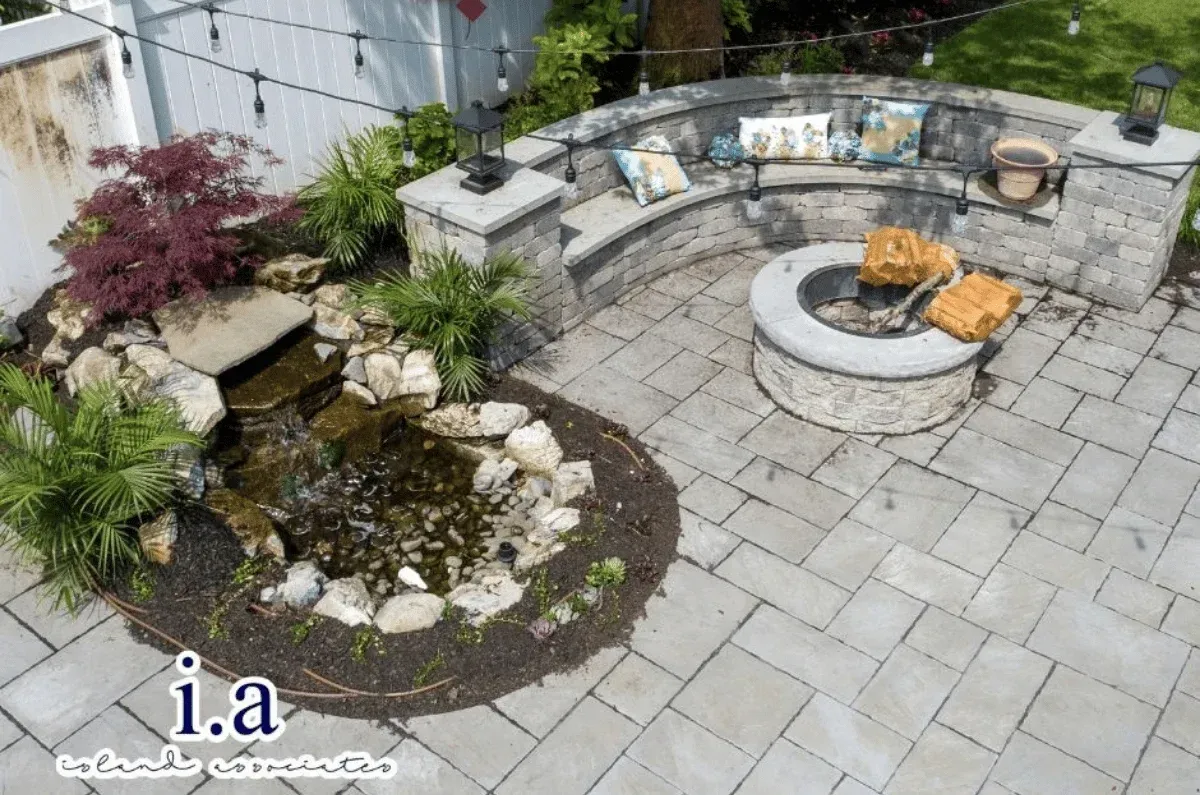
Our Go-To Approach for Long Island Masonry and Hardscaping
At Island Associates, we help homeowners create outdoor spaces that feel polished, practical, and built around real everyday use. Our hardscaping services include hardscape design, hardscaping installation, patios, walkways, retaining walls, stonework, concrete features, paver installations, poolscape features, outdoor kitchens, and other custom masonry improvements.
We look at the full property before we build. That means we consider layout, drainage, grading, access, materials, style, and how each feature connects to the rest of the outdoor space. Whether the project is a clean walkway, a new patio, a retaining wall, or a full outdoor living upgrade, we focus on strong preparation and finished details that make the space easier to use and enjoy.
Masonry Contractor Services in Long Island Towns We Serve
Long Island homeowners need masonry contractors who understand local homes, soil, weather, and outdoor layouts. Whether you need service in Nassau County, Suffolk County, or Massapequa, local experience helps the project look better and last longer. We can support homeowners looking for masonry contractor services in:
- Greenvale
- Lloyd Harbor
- Sands Point
- Oakdale
- Woodbury
- Williston Park
- Centerport
- Bellmore
- Brookville
- Massapequa
- Nassau County
- Suffolk County
- Long Island, NY
Each town has different property styles, lot sizes, drainage needs, and design expectations. A local masonry and hardscaping team can help plan the work around those details instead of forcing a one-size-fits-all layout.
Ready to Hire Masonry Contractors on Long Island?
Masonry contractors on Long Island can help you create a patio, walkway, retaining wall, outdoor kitchen, poolscape, or stone feature that looks better and works harder for your home. The key is hiring a team that understands local conditions, proper preparation, drainage, materials, and clean installation from start to finish.
If you are planning masonry or hardscaping work in Nassau County, Suffolk County, Massapequa, or nearby Long Island towns, our team is ready to help you plan the right project with clear guidance and professional service.
Contact us today to request your consultation and start building an outdoor space that feels stronger, cleaner, and more complete.