
Blogs
Recent Posts

Sod Installation on Long Island: When to Do It, What It Costs & How to Keep It Healthy
Doug Connell • August 14, 2026
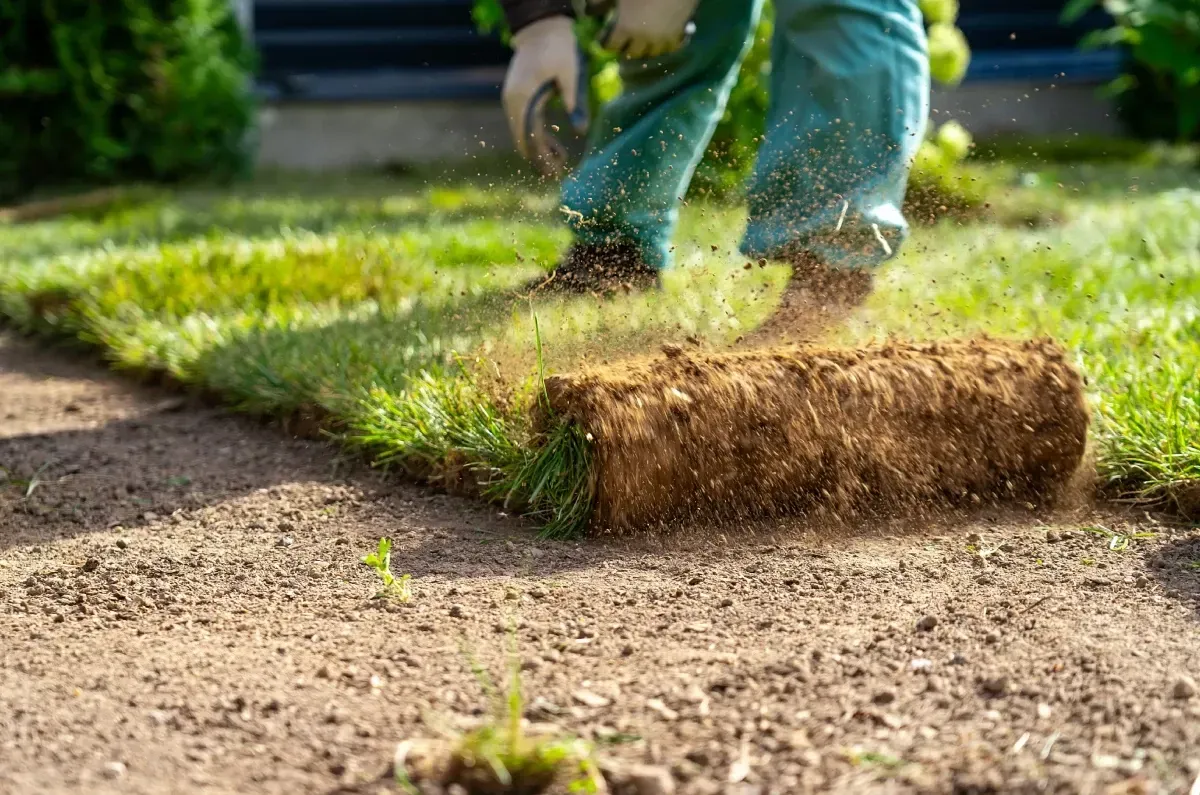
A new lawn can improve curb appeal, create a cleaner outdoor space, and complete a larger landscaping project. Sod installation on Long Island gives homeowners an immediate green lawn without waiting for grass seed to germinate and fill in. The best results depend on proper timing, soil preparation, drainage, and early care.
Why Homeowners Choose Sod Installation
Sod is a practical option when you want a finished-looking lawn quickly. It works well after patio construction, drainage work, pool projects, or landscape renovations that leave bare soil behind. For many properties, sod installation is also a useful solution for patchy turf, worn lawn areas, and highly visible front yards.
Common reasons homeowners choose sod include:
- Immediate green coverage after installation
- Faster results than starting a lawn from seed
- Better erosion control on slopes or exposed soil
- A clean finish after hardscaping or construction work
- Less time dealing with bare soil and early weed growth
When Is the Best Time to Install Sod on Long Island?
Spring and early fall are usually the best seasons for sod installation in Nassau County and Suffolk County. Mild temperatures help reduce stress on new turf, while cooler weather can make watering more manageable. Early fall is often especially effective because warm soil supports root development before winter arrives.
| Season | Advantages | What to Watch For |
|---|---|---|
| Spring | Moderate temperatures and a full growing season ahead | Wet or compacted soil after winter |
| Early Fall | Warm soil, cooler air, and lower heat stress | Sod should be installed early enough to establish itself before winter |
| Summer | Helpful for time-sensitive landscape projects | Requires more frequent watering and monitoring |
| Winter | Limited installation opportunities | Frozen or overly wet soil can prevent proper preparation |
Sod can still be installed during the summer when a landscape project needs to be completed on a specific timeline. Hot temperatures, direct sun, and dry weather can cause fresh turf to lose moisture quickly before its roots take hold. Reliable irrigation and consistent monitoring are especially important during a summer installation.
Sod vs. Seed on Long Island
Choosing between sod and seed depends on how quickly you want results, how much you plan to invest upfront, and the property's existing condition. Sod provides immediate coverage, while seed generally costs less but takes longer to establish. Both can create a healthy lawn when the soil is prepared correctly and the turf receives consistent care.
| Consideration | Sod | Seed |
|---|---|---|
| Appearance | Immediate green lawn | Bare soil until grass grows in |
| Upfront Cost | Higher | Lower |
| Establishment Time | Usually roots within a few weeks | May take several weeks or longer |
| Weed Pressure | Often lower at the start | Can be higher while grass fills in |
| Erosion Control | Helpful for slopes and exposed soil | May need extra protection |
| Best Fit | Fast results and visible lawn areas | Larger lawns and budget-focused projects |
Sod is often the better choice when homeowners want a complete result after a renovation or need the lawn ready sooner. Seed can be a practical option for larger open areas where homeowners have more flexibility with timing. The right choice depends on the property’s sun exposure, soil condition, budget, and maintenance plan.
Proper Lawn Preparation and What Affects Cost
A healthy sod lawn starts with the condition of the soil underneath it. Sod Long Island cost can vary based on lawn size, sod type, site access, and the amount of preparation needed before installation. A simple lawn replacement may require less work, while properties with poor drainage, compacted soil, uneven grades, old turf, or irrigation issues may need additional preparation.
Before sod is installed, the project area may need:
- Old grass, weeds, roots, and debris removed
- Low spots and uneven sections corrected
- Quality topsoil added or redistributed
- Compacted soil loosened where needed
- Grading adjusted to direct water away from hardscape and foundations
- Irrigation coverage checked before installation
- Clean edges were created around patios, walkways, and planting beds
Proper preparation helps the sod make full contact with the soil and establish itself more evenly. It can also reduce the risk of thin areas, pooling water, poor root growth, and ongoing lawn problems after installation. Addressing drainage concerns before laying sod is especially important around patios, driveways, foundations, and low lawn areas.
How to Care for New Sod After Installation
New sod needs consistent moisture and limited foot traffic while its roots establish. Watering should begin immediately after installation so the sod and the soil below stay evenly moist. The goal is to encourage roots to grow downward without leaving the lawn constantly saturated.
New Sod Care Checklist
- Water immediately after installation
- Keep the sod consistently moist during the first few weeks
- Pay close attention to edges, slopes, and sunny areas
- Avoid heavy foot traffic until the turf is rooted
- Wait to mow until the sod resists a gentle tug
- Use a sharp mower blade for the first cut
- Avoid removing more than one-third of the grass height
- Delay heavy fertilizer and weed treatments until the lawn establishes
Once the sod begins to root, watering can gradually shift from frequent light applications to deeper, less frequent watering. This encourages roots to grow farther into the soil and helps the lawn become more resilient. Keeping the grass slightly taller during hot weather can also reduce stress and improve moisture retention.
Common Problems That Can Affect New Sod
Fresh sod can develop problems when the underlying soil, drainage, or watering routine is not right. These issues may appear within the first few weeks as brown patches, loose seams, uneven growth, or waterlogged areas. Identifying the cause early can help protect the new lawn before the damage spreads.
Watch for these warning signs:
- Sod edges curling or drying out
- Brown or gray areas after hot weather
- Standing water after rainfall or irrigation
- Sod seams separating the pieces
- Turf that lifts easily after installation
- Thin grass near trees, fences, or shaded areas
- Uneven lawn surfaces caused by poor grading
A professional sod installer in Suffolk County can review soil conditions, sun exposure, slope, drainage, and sprinkler coverage before installation begins. This planning can help avoid common issues and create a lawn that performs better beyond its first season. A more complete approach is especially helpful when sod is being installed after major landscaping or hardscaping work.
Complete Your Landscape With a New Lawn
Sod installation is often one of the final steps in a larger landscape project. Once patios, walkways, planting beds, drainage features, and other improvements are complete, a new lawn can help bring the entire space together. Installing the sod after the heavier work is finished also helps prevent damage from equipment, foot traffic, and later construction activity.
Island Associates can help homeowners plan a new lawn installation on Long Island that fits the property’s layout and overall landscaping goals. From deciding between sod and seed to preparing the soil and creating a clean finished appearance, we can help you make the right choice for your outdoor space.
Contact us today to discuss sod installation in Nassau County or Suffolk County.